

Code Calibre emphasizes the importance of brand style guides for businesses striving for impact. Join us on an exploration of these style guides, their significance, the distinction between them and brand uidelines, the process of their creation, and notable industry examples.
Like explorers navigating the open sea, branding requires a guide to ensure consistency and direction. Brand style guides fulfill this role, acting as compasses that steer brands towards a cohesive design and clear brand image. This article explores the significance of brand style guides through examples and provides practical tips for creating an effective one to establish a strong brand identity.
A brand style guide Is a comprehensive handbook that defines a company’s visual and verbal identity. It establishes guidelines for consistent brand representation across various platforms. It covers elements such as logo usage, fonts, colour schemes, and writing style to ensure uniform and cohesive messaging in all interactions.Brand Style Guide vs.
Brand Guidelines: While often used interchangeably, brand style guide and brand guidelines have distinct purposes. Style guides focus on visual elements like logos, colours, fonts, and imagery. On the other hand, brand guidelines encompass a wider scope, including communication strategy, brand perception, and how the brand should be presented in various contexts.

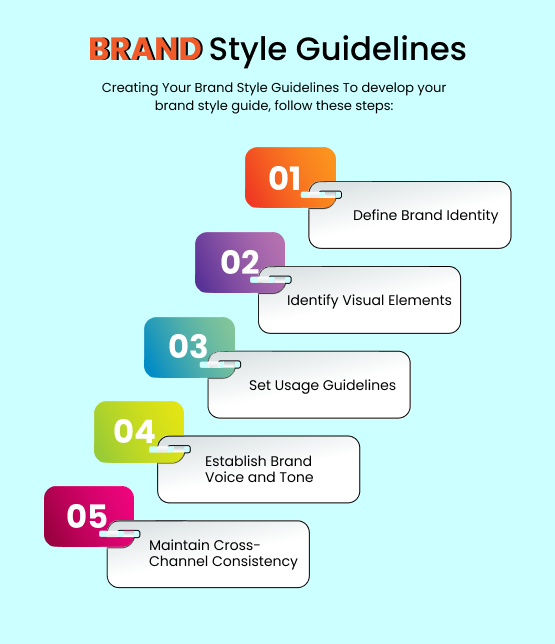
Find inspiration for your branding with these top-notch brand style guide examples: Apple, Nike, Starbucks Airbnb, Coca-Cola, Google, Spotify, Target, Dropbox, Slack.
Brand style guides are like blueprints for your brand’s appearance and messaging. They help you present a consistent image across all your marketing materials, creating a recognizable and trustworthy identity. By creating your own guide and studying examples
from successful brands, you can craft a clear brand direction that will boost recognition and drive growth.
Brand style guides are not universal. Customising and creating them to the specific needs of your target audience and industry is essential. For instance, while a tech company targeting millennials might use vibrant colours and playful language, a professional services firm serving finance professionals would likely adopt a more conservative tone. By understanding your audience’s preferences and aspirations, you can create a brand style guide that resonates with them.


Brand style guides should be flexible, allowing for adaptation to evolving trends and consumer preferences. In a rapidly changing digital marketplace, organizations require agility and the ability to adjust their communication and visuals to stay relevant.
Incorporating modular elements into style guides and permitting creative interpretation enables brands to maintain a consistent identity while remaining adaptable and dynamic.
In today’s digital flood and wary consumers, consistency is essential to build trust. A brand style guide, properly implemented, ensures that every brand interaction, from social media to customer emails to product packaging, reflects your company’s values and commitments.
Consistency leads to familiarity, which fosters trust. By maintaining a consistent brand experience across all customer touchpoints, you can foster a loyal customer base that trusts your brand inherently, fueling long-term growth and success.